
Apply to join our team at @nhm.org ! We are hiring a Program Manager of Community Science- full time temporary for 4 months (on grant funds) and part-time permanent after that. Application review begins January 5. tinyurl.com/NHMCS2025 🧪🌎

Rachel Larson, PhD
@rlarson92.bsky.social
Conservation biology postdoc at San Diego Natural History Museum, urban ecologist 🏙🐿🦝🦌, artist 👩🏻🎨 (she/her) art insta: @ sciurusstitches
Apply to join our team at @nhm.org ! We are hiring a Program Manager of Community Science- full time temporary for 4 months (on grant funds) and part-time permanent after that. Application review begins January 5. tinyurl.com/NHMCS2025 🧪🌎

Introduce yourself with 5 animals you’ve seen in the wild: Gila monster American badger Mink Steindachner’s ebony tarantula Ovenbird
 Bennett Hardy@finderofrogs.bsky.social · 11mo ago
Introduce yourself with 5 animals you’ve seen in the wild: Mola Mola Three-toed Sloth Bornean Orangutan Coastal Giant Salamander Vermillion Flycatcher
I worked in the scat analysis part of this as an undergrad way back when! So cool to see this work published thanks to Kate Weiss
 Journal of Animal Ecology@animalecology.bsky.social · last yr.
🐇 This study presents a methodological framework using camera trap and scat data to assess how components of prey availability influence prey selection. This is done in a way that can be applied across a variety of mammal species and ecological contexts➡️ buff.ly/7iWNO4X


This crucially important and obviously visionary work makes me feel vindicated for having said the same thing last year, albeit with much less evidence, while being mercilessly mocked by the city and its residents. royalsocietypublishing.org/doi/10.1098/...

Rodent indent not self-evident: a case of mistaken identity of the ‘Chicago Rat Hole’ | Biology Letters
The ‘Chicago Rat Hole’ is a remarkable full body impression ostensibly created by a brown rat (Rattus norvegicus) crossing fresh concrete in Chicago’s Roscoe Village that became a viral sensation. Whi...
royalsocietypublishing.org

The GRFP lives!! (due end of October) www.nsf.gov/funding/oppo...

NSF Graduate Research Fellowship Program (GRFP)
nsf.gov
So amazing our team’s work is getting recognized on @npr.org for our successful bi-national translocation of California red-legged frogs. Was super fun chatting with Nate about the project!
 NPR@npr.org · last yr.
How do scientists monitor the populations of the threatened California red-legged frog? With careful listening and a little help from AI.
EEB Mentor Match for 2025 is now open! This is an opportunity for students applying to graduate school in Ecology, Evolution, or Behavior to be matched with a mentor to guide them through the application process. Mentors can sign up too! eebmentormatch.com

EEB Mentor Match
Visit the post for more.
eebmentormatch.com
On my way home with my fresh-off-the-needles raccoon socks from the best conference in the world. Hope to see everybody again in 2027 in Milwaukee! #IUWC2025

From Akinwale Oladimeji (my academic sibling): Patterns of wildlife occurrence in urban Cape Town 🇿🇦 - there are significant species-level differences, but most species responded negatively to impervious cover #IUWC2025

a close up of a cat with its mouth open and a baby cat in the background .
ALT: a close up of a cat with its mouth open and a baby cat in the background .
media.tenor.com
From Shawn Fujioka: A plant talk at a wildlife conference! Increased management effort by park staff leads to increased native plant biodiversity and reduced threats from invasive species #IUWC2025
From Mark Johnston: Powerline right-of-ways as corridors for movement of wildlife through urban landscapes #IUWC2025
From Nicole Kemon: Bird feeder cleaning is correlated with motives behind feeding birds, with attitudes of care & environmental stewardship leading to more frequent cleaning compared to self-interested feeders #IUWC2025

a bird is perched on a feeder in the snow
ALT: a bird is perched on a feeder in the snow
media.tenor.com
From @kayleebyers.bsky.social: Based on currently-published literature, we know very little about chronic wasting disease dynamics in urban landscapes #IUWC2025
From Zehidul Hussain: Looking forward to seeing the integration of behavioral videos, collar data, and landscape information to understand urban deer ecology #IUWC2025
From Andrea Darracq: An interesting longitudinal (and ongoing!) dataset of coupled human health & biodiversity data to investigate OneHealth mechanisms #IUWC2025
From Andrea Flores: More frequent rat sightings reduces the perceived restorative benefits of connection to nature in Chicago’s urban gardens #IUWC2025
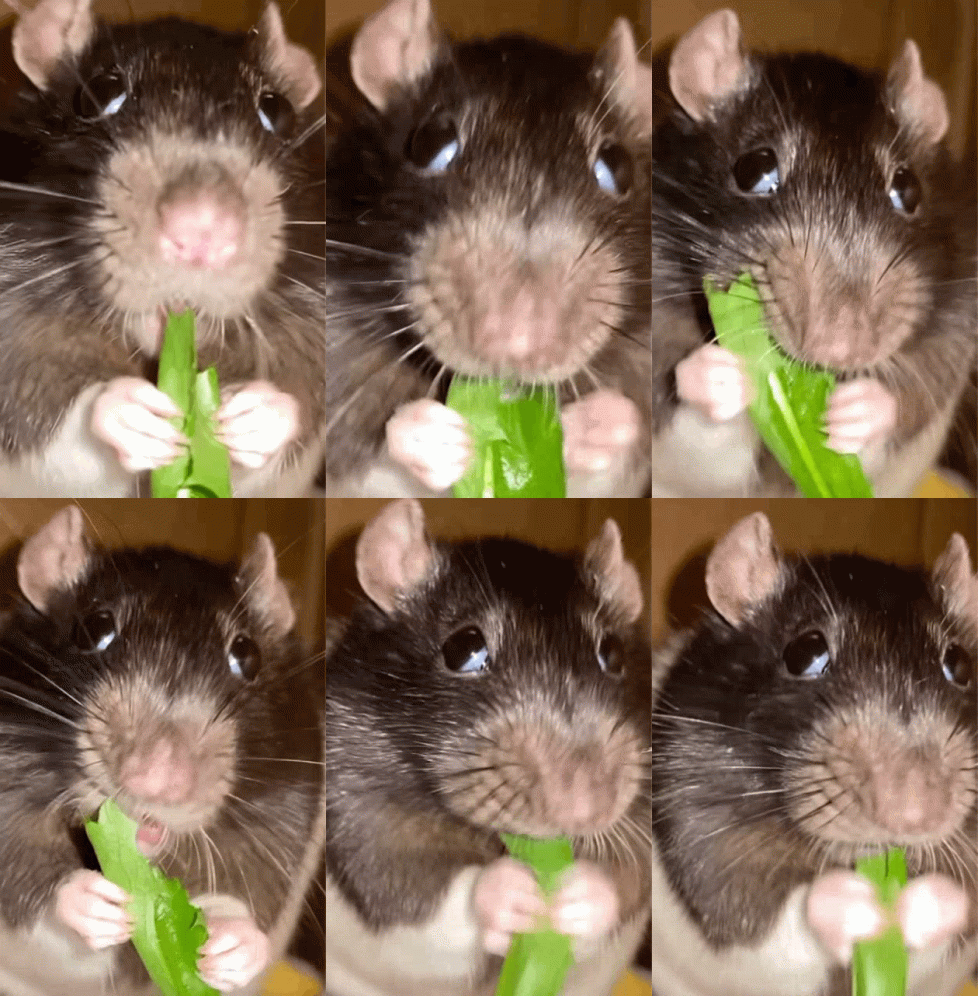
a close up of a rat chewing on a green leaf
ALT: a close up of a rat chewing on a green leaf
media.tenor.com
From Marie Lilly: Functional connectivity for deer drives distribution of tick-borne pathogens in New York City #IUWC2025
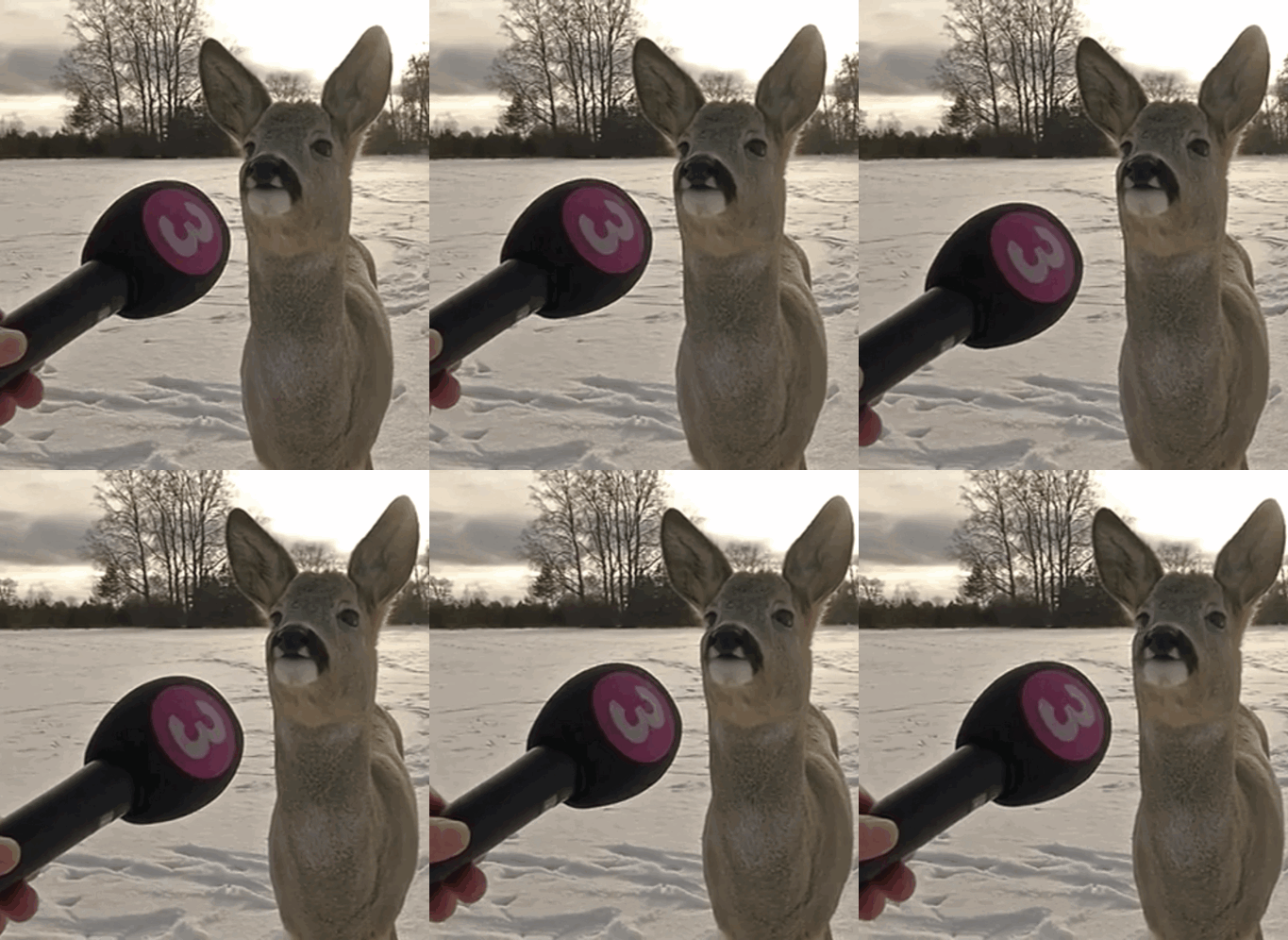
a person is holding a microphone with the number 3 on it in front of a deer
ALT: a person is holding a microphone with the number 3 on it in front of a deer
media.tenor.com
Ready to (almost) close out the all-day UWIN symposium with my talk on white-footed mice! Come learn about the small warm-fuzzies in the big city! #IUWC2025
From Amanda Zellmer: AI detection tools work really well to catch most target species for wildlife cameras. They just don’t work as well for smaller species like rats/lizards/songbirds #IUWC2025
From Laura Limonciello: A super interesting overview of the state of urban biodiversity research & urban mammal occupancies in Italy 🇮🇹 #IUWC2025
From Taylor Readyhough: Red fox avoidance of coyotes is dynamic and was significantly impacted by COVID lockdowns in Cleveland #IUWC2025
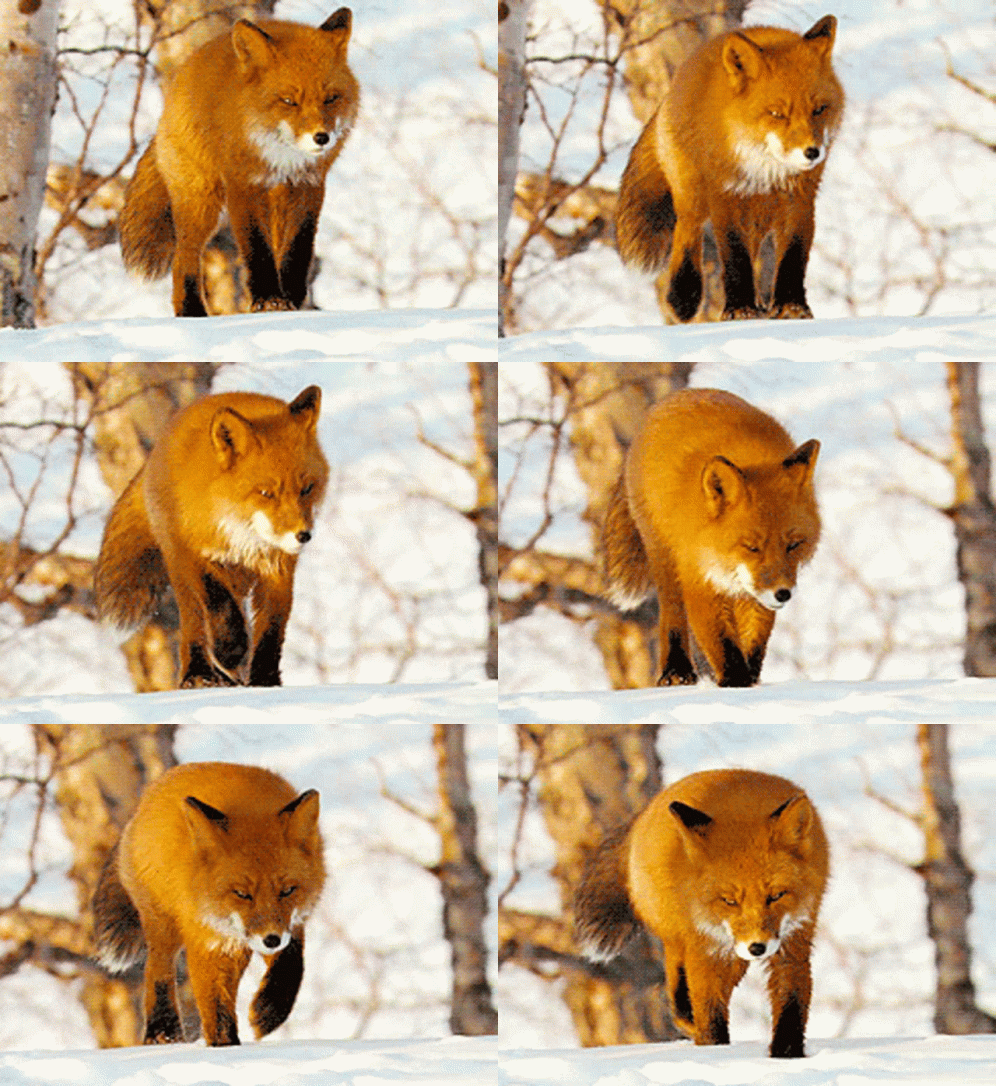
a fox is standing in the snow near trees
ALT: a fox is standing in the snow near trees
media.tenor.com
From @sciencewithtyus.bsky.social: Cat temporal oscillation effect - cats alter their space use throughout the day to maximize access to resources (anthro subsidies in residential areas during day; natural areas at night to hunt prey) #IUWC2025
From Emily Blackwell: Raccons may be more susceptible to heat stress, given their responses (site occupancy & activity patterns) to urban heat islands #IUWC2025
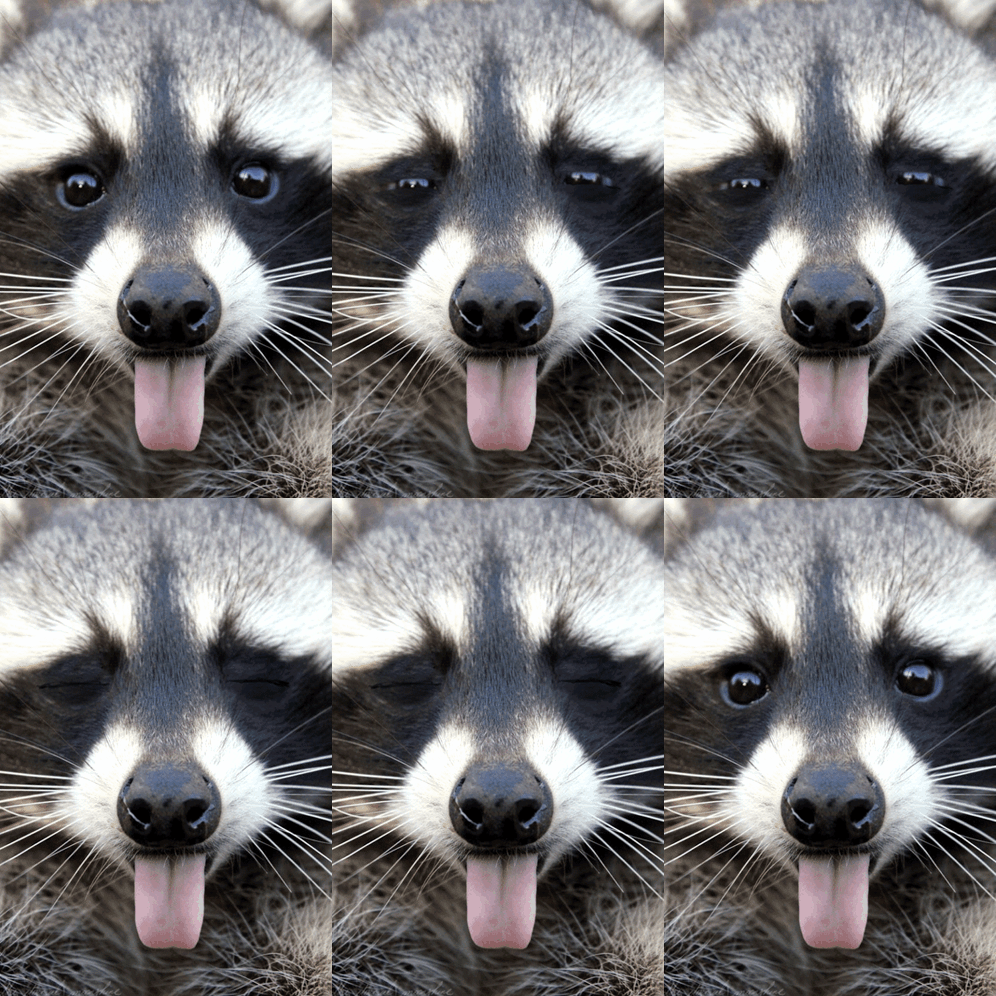
a raccoon sticking its pink tongue out
ALT: a raccoon sticking its pink tongue out
media.tenor.com
Looking forward to future camera collar data from @mellamorooster.bsky.social on urban white-tail deer! #IUWC2025
From @urbanzoochory.bsky.social: Mangy coyotes are more likely to occur in cities with milder winters & higher humidity. Thus, mange could become more common in cities at higher latitudes under climate change #IUWC2025
From Austin Green: Fawning mule deer alter their activity patterns in response to urbanization and coyote presence more strongly than lone deer #IUWC2025
a baby deer is standing in the grass and looking at the camera
ALT: a baby deer is standing in the grass and looking at the camera
media.tenor.com
From @testudinidude.bsky.social: cool work emphasizing the importance of species-level variance within bird responses to urbanization #IUWC2025
From Ann Smithson: Even a quirky system is better than no system in the opinions of wildlife management agencies when it comes to conflict reporting systems #IUWC2025
Cool talk on eco forecasting from @masonfidino.bsky.social predicting urban wildlife distributions in unsampled cities #IUWC2025
So ready for the all day UWIN symposium & learning all about my friends’ and colleagues’ cool research! #IUWC2025
